

Quartzite countertops bring together natural beauty, impressive strength, and a high-end look that works especially well in kitchens, bathrooms, islands, bars, and other heavily used spaces.
Quartzite is a natural stone formed when sandstone is exposed to intense heat and pressure deep within the earth. Over time, that process transforms the stone into a dense material made largely from quartz minerals. The result is a countertop material that can be exceptionally hard and durable while still offering the flowing movement and dramatic veining people often associate with marble.

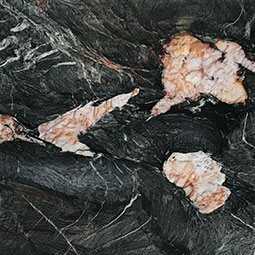
Why Choose Quartzite Countertops?
One of the biggest attractions of quartzite is that you don’t necessarily have to choose between beauty and durability.
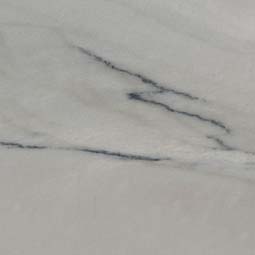
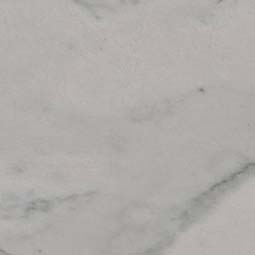
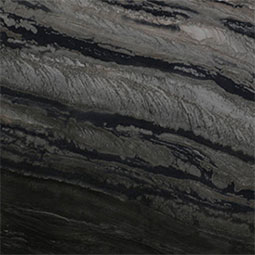
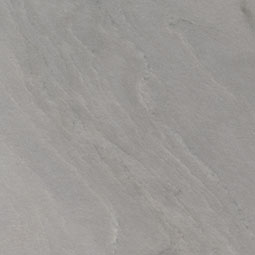
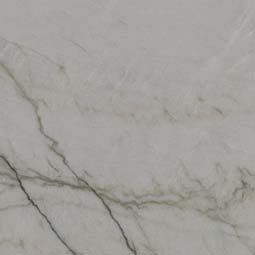
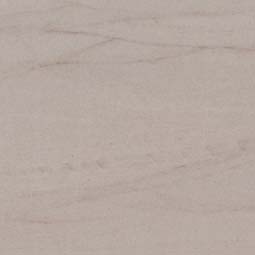
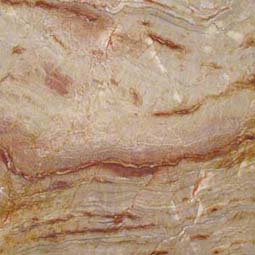
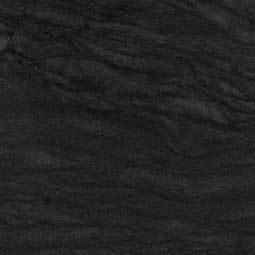
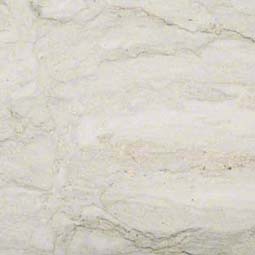
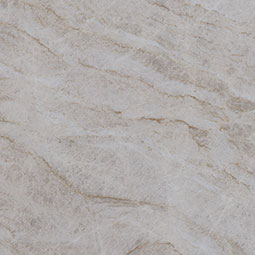
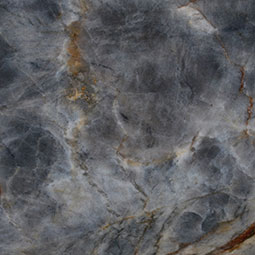
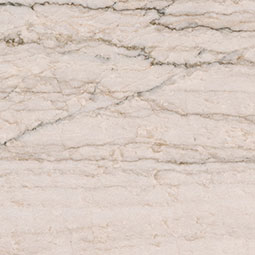
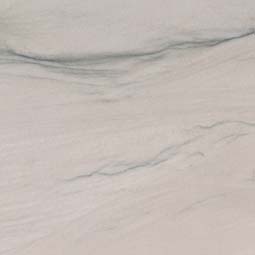
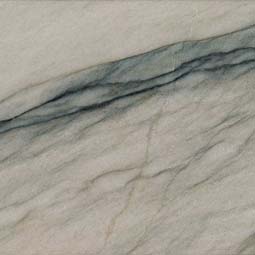
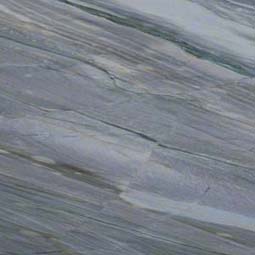
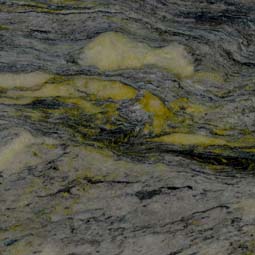
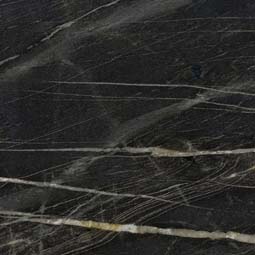
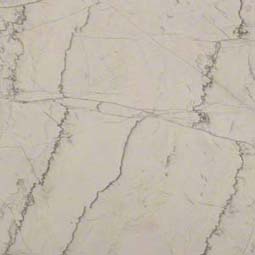
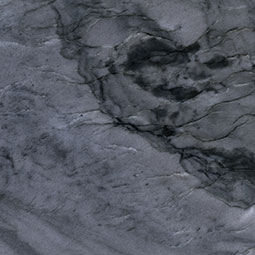
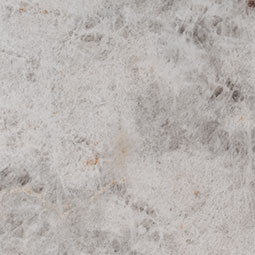
Many quartzite slabs feature sweeping veins, soft clouds of color, and layers of movement. White and light-colored varieties can provide some of the elegance associated with marble, while other slabs introduce gray, gold, green, blue, brown, and even dramatic darker tones.
Because every slab was created by nature, no two pieces are exactly alike. Your countertop isn’t a printed reproduction of a stone pattern. The veins, colors, mineral deposits, and movement belong to that particular slab.

Built for a Hard-Working Kitchen
Quartzite is generally a very hard natural stone, which makes suitable varieties an excellent option for busy countertops. It offers good resistance to scratching and everyday wear when properly fabricated, installed, and maintained.
That doesn’t mean quartzite is indestructible. Natural stone should still be treated with care. Using cutting boards, trivets, and appropriate cleaners helps protect both the stone and the finish.
Quartzite may also require sealing, depending on the particular stone and its porosity. Your fabricator can recommend the appropriate maintenance schedule for the slab you select.
Quartzite vs. Other Countertop Materials
Different countertop materials solve different problems. Here’s how quartzite fits into the picture:
| Material | Appearance | Durability | Maintenance | Heat Resistance | What Makes It Different |
|---|---|---|---|---|---|
| Quartzite | ★★★★★ Dramatic natural movement | ★★★★★ Excellent | Moderate | Excellent | Natural stone combining dramatic appearance with high hardness |
| Granite | ★★★★ Natural patterns and colors | ★★★★★ Excellent | Moderate | Excellent | Proven natural-stone workhorse with a huge variety of choices |
| Marble | ★★★★★ Classic, elegant veining | ★★★ Moderate | Higher | Good | Famous appearance, but generally more vulnerable to scratching and acidic etching |
| Quartz | ★★★★ Consistent and predictable | ★★★★ Very good | Low | Moderate | Engineered surface offering consistent patterns and easier routine maintenance |
| Porcelain | ★★★★ Wide range of designs | ★★★★ Very good | Low | Excellent | Thin manufactured slabs with many printed stone looks |
| Solid Surface | ★★★ Simple and uniform | ★★★ Moderate | Low | Lower | Repairable manufactured surface with inconspicuous seams possible in some installations |
Quartzite vs. Granite
Granite and quartzite are both strong natural-stone choices. Granite is available in an enormous range of colors and price points and has decades of history as a kitchen countertop material.
Quartzite becomes particularly interesting when you want something more visually dramatic or marble-like without automatically moving to marble. Some quartzites contain long veins and broad movement that can turn a large island into the centerpiece of the room.
There isn’t a universal winner between the two. The better choice depends on the individual slabs, your design, budget, and how you use the space.
Quartzite vs. Marble
This is where quartzite really gets attention.
Marble has an unmistakable appearance, but calcite-based marble is comparatively susceptible to scratching and to etching from common acids such as lemon juice and vinegar.
Many genuine quartzites offer a harder surface while providing some of the sweeping visual character homeowners want from marble.
But there’s an important warning when shopping: stone names in the marketplace can be confusing. A slab being sold under a particular commercial name doesn’t by itself establish its geology or performance characteristics. Ask your stone supplier or fabricator about the specific slab you’re considering.
Quartzite vs. Engineered Quartz
Despite their similar names, quartzite and quartz countertops aren’t the same material.
Quartzite is quarried from the earth and cut into slabs. Engineered quartz is manufactured using quartz minerals combined with binders, pigments, and other ingredients.
Engineered quartz is appealing when you want predictable color and pattern with relatively simple maintenance. Quartzite is appealing when you want the variation, depth, mineral structure, and individuality of real natural stone.
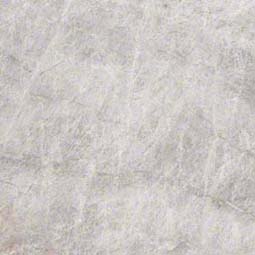
The Slab Is Part of the Design
One of the best parts of selecting quartzite is visiting the slab yard.
Don’t choose solely from a small sample. Look at the entire slab.
A quartzite slab can contain dramatic veins that travel several feet, small mineral deposits, changes in color, and areas of movement that look completely different from one end to the other.
For a large kitchen island, your fabricator can help determine which portion of the slab becomes the focal point. With multiple slabs, careful layout can sometimes continue or mirror patterns across adjoining surfaces.
That’s part of what makes natural stone special: you’re not simply selecting a countertop color. You’re selecting the actual piece of stone that becomes part of your home.
Is Quartzite Right for Your Project?
Quartzite deserves serious consideration when you’re looking for:
Natural stone beauty • excellent hardness • distinctive slabs • dramatic veining • strong heat resistance • premium appearance • a countertop that doesn’t look mass-produced
It can cost more than many common granite selections, particularly for scarce or highly sought-after slabs. Fabrication requirements and slab availability can also affect the final project price.
For many homeowners, however, that’s precisely the appeal. Quartzite isn’t trying to make every kitchen look the same.
It gives you the opportunity to build the kitchen around a piece of stone that nature has already spent millions of years designing.